
The Pelvic Floor Connection: Why Relaxation Equals Comfort
By Snny | May 29, 2024 | 6 min read
📌 Key Takeaways
- The “Guarding” Reflex: Pain often causes us to clench our pelvic floor, which ironically restricts blood flow and makes cramps feel sharper.
- Oxygen is Key: A relaxed pelvic floor allows for better vasodilation, ensuring oxygen reaches the uterine tissues faster.
- The Breath Connection: Your diaphragm and pelvic floor move together; deep breathing is the fastest way to “manual reset” pelvic tension.
- Heat as a Relaxant: Applying Snnugle’s consistent warmth helps down-regulate the nervous system, signaling the pelvic muscles to let go.
 Table of Contents
- The Hidden Player: What is the Pelvic Floor?
- The Pain Cycle: Why “Clenching” Makes Cramps Worse
- The Science of Relaxation: Vasodilation and Comfort
- 3 Simple Techniques to Release Pelvic Tension
- Snnugle & The Pelvic Floor: Deep Relief Through Heat.
Introduction
When we talk about period pain, we usually focus on the uterus. But there is a silent supporting cast member that dictates exactly how intense that pain feels: your pelvic floor. If you’ve ever felt like your entire lower body is “locked up” or “tight” during your flow, you aren’t imagining it. Today, we’re diving into the pelvic floor connection and why learning to let go is the ultimate secret to a comfortable period.
The Hidden Player: What is the Pelvic Floor?
Think of your pelvic floor as a muscular hammock that supports your pelvic organs, including your uterus. In a healthy state, these muscles should be flexible—able to contract when needed and, more importantly, relax completely. However, many of us carry “hidden tension” here due to stress, posture, or a history of painful periods.
The Pain Cycle: Why "Clenching" Makes Cramps Worse
When the uterus contracts to shed its lining, it sends pain signals to the brain. Our body’s natural response to pain is guarding—we instinctively clench our jaw, shoulders, and yes, our pelvic floor.
This clenching creates a “pressure cooker” effect. Tight muscles compress blood vessels, reducing oxygen flow to the area. In the world of physiology, low oxygen equals more pain. By clenching, we are accidentally feeding the very cramps we are trying to escape.
3 Simple Techniques to Release Pelvic Tension
- The “360 Degree” Breath: Inhale deeply into your lower belly and imagine your pelvic floor dropping and widening like a blooming flower.
- Happy Baby Pose: This classic yoga move gently stretches the pelvic floor muscles without any exertion.
- The Jaw-Pelvis Connection: Did you know your jaw and pelvis are neurologically linked? Relaxing your tongue and unclenching your teeth can actually help relax your pelvic floor.
Snnugle & The Pelvic Floor: Deep Relief Through Heat
This is where external support becomes transformative. When you place your Snnugle Warmer on your lower abdomen or sacrum (lower back), the localized heat does more than just soothe the skin. It acts as a “neuromuscular relaxant.” The warmth increases blood flow (vasodilation), which physically forces tight pelvic muscles to soften. It’s the difference between trying to stretch a cold rubber band versus a warm one.
FAQ: Pelvic Health & Periods
- Q: Can a tight pelvic floor make my period last longer?
- A: While it doesn’t change the shedding process, poor circulation from muscle tension can make the process feel more sluggish and painful.
- Q: Should I do Kegels during my period?
- A: Generally, no. If you experience cramps, your focus should be on Reverse Kegels (relaxation) rather than strengthening/contracting.
Next Read
- Breathing for Pain Relief: The Diaphragm and Pelvic Floor Connection
- 5 Pelvic-Opening Yoga Poses for Painful Periods (Illustrated Guide)
- The Science of Heat: Why 40°C is the Magic Number for Muscle Release
- Mindfulness & Menstruation: Training Your Brain to Lower Pain Signaling
References
- Journal of Physical Therapy Science: “The relationship between pelvic floor muscle tension and primary dysmenorrhea.”
- Hormone Health Network: “How stress and cortisol affect pelvic muscle tone.”
Disclaimer: This content is for informational purposes only and does not constitute medical advice. Always consult with a healthcare professional for persistent or severe health issues.
Author:Snny
Your partner in menstrual health knowledge, blending ancient wisdom with modern science for deeper comfort.
tip
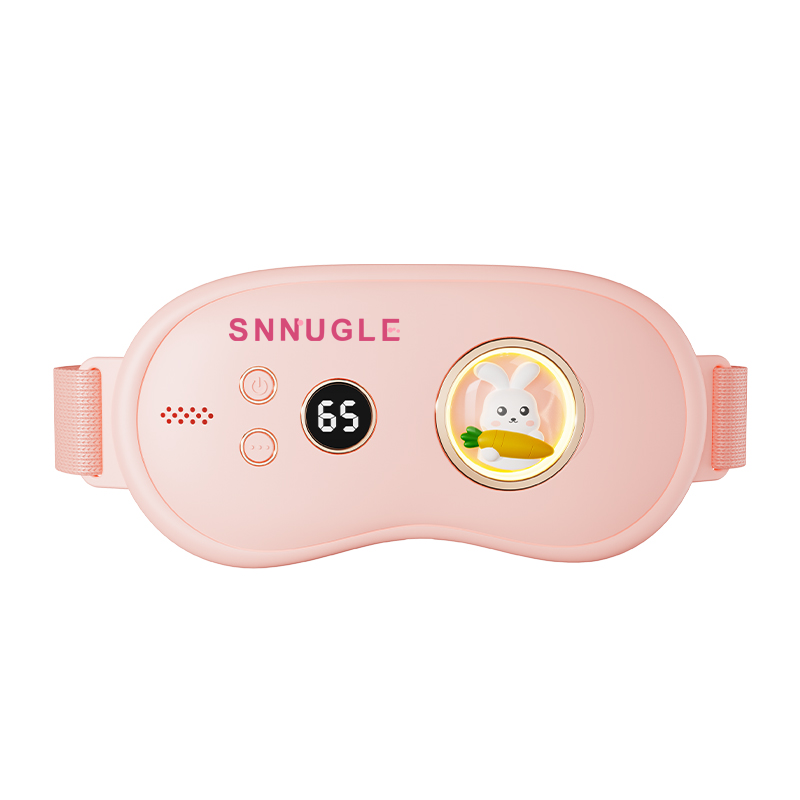
Looking for a gentle relief solution? Try the Snny-recommended heating pad.
Snnugle
Your trusted confidant for cycle care, here to offer thoughtful warmth and support.
Quick Links
Disclaimer: Content here is for informational & community support purposes only, and is not medical advice. Product experiences shared are based on personal use. We gently encourage you to always consult your healthcare provider for personal medical decisions.
© 2025 Snnugle. All rights reserved.