
Exploring How Heat May Help: Vasodilation & Menstrual Discomfort
By Snny | May 28, 2024 | 8 min read

📌 Key Takeaways
- The Root Cause: Period pain is often caused by uterine ischemia (oxygen starvation) due to constricted blood vessels.
- Mechanism 1 (Vasodilation): Heat at 40°C restores blood flow, flushing out pain-causing prostaglandins and re-oxygenating the muscle.
- Mechanism 2 (Gate Control): Heat signals travel faster than pain signals, effectively “closing the gate” at the spinal cord before pain reaches the brain.
- Stability is Key: Fluctuating heat (like a cooling water bottle) breaks the relief cycle; constant heat is medically superior.
📌 Table of Contents
1,The Science: Why You Hurt & How Heat Heals
2, Hacking the Nervous System (The Gate Control Theory)
3,The Solution: Why Stability Matters
4,The Solution: Why Consistency is Critical
5,FAQ Section
6,Conclusion
We’ve all heard it: “Just put a hot water bottle on it.” For generations, warmth has been the go-to remedy for cramps. But in a world of high-tech medicine, it’s easy to wonder: Is this just a placebo? Is it just comforting, or is it actually doing something to my body?
The answer is a resounding yes. Heat is not just a “cozy feeling”—it is a legitimate physiological intervention. When applied correctly, heat therapy targets the biological root of your pain, acting as a natural vasodilator and nerve blocker. Let’s dive into what’s actually happening inside your uterus when you apply that warmth.
To understand the cure, we first have to understand the cause.
The Science: Why You Hurt & How Heat Heals
1. Reversing "Oxygen Starvation" (Vasodilation)
Many people experience discomfort during menstruation. One commonly discussed theory in wellness communities suggests that the release of natural body chemicals may contribute to uterine contractions.
Some believe that intense contractions might temporarily affect local blood flow. The term “ischemia” is sometimes used in general discussions to describe a perceived reduction in oxygen supply to tissues.
Many people find warmth comforting during this time. Applying warmth to the abdominal area is a popular personal care practice.
Some resources suggest that warmth may encourage blood vessels to relax and widen, a process often referred to as vasodilation.
General wellness literature sometimes notes that warmth is believed by some to support local circulation[1].
The perceived benefit for many is a feeling of relaxation and eased discomfort in the area.
2. Hacking the Nervous System (The Gate Control Theory)
Heat doesn’t just work on muscles; it works on nerves. This is based on the Gate Control Theory of pain.
Imagine your spinal cord as a gatekeeper. Both “pain” signals (from cramps) and “temperature” signals (from heat) are trying to get through the gate to your brain.
- Pain signals travel on thin, slow nerve fibers.
- Heat signals travel on thicker, faster nerve fibers.
When you apply heat, the sensation races to the spinal cord and “closes the gate,” effectively blocking the slower pain signals from passing through[2]. You are literally hacking your nervous system to prioritize warmth over pain.
The Solution: Why Stability Matters
Considering these common experiences, some individuals seek more consistent warmth throughout the day.
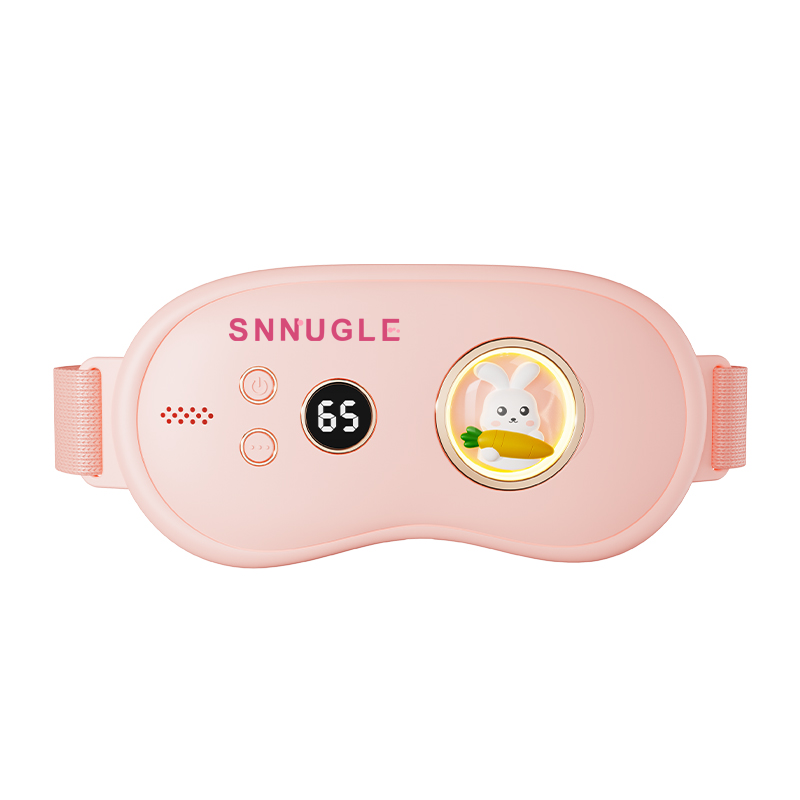
This has led to the development of personal warming devices designed for sustained comfort. For example, some products incorporate temperature regulation features.
- Instead of cooling down, it maintains a therapeutic “Golden Range” (40°C-45°C) constantly.
- By providing stable heat, it ensures your blood vessels stay dilated for hours, preventing the rebound pain associated with disposable patches or cooling water bags.
- Plus, being cordless means you can maintain this therapy while commuting or working, rather than being tethered to a kettle.
FAQ Section
Q1: How do people generally perceive heat compared to over-the-counter options like ibuprofen?
A: Experiences vary greatly among individuals. Some wellness articles and anecdotal reports mention that certain individuals find consistent warmth helpful for managing personal discomfort, and appreciate that it’s a non-ingestion method. It’s important to consult with a healthcare provider to understand all options suitable for your personal situation.
Q2: How long should I apply heat for?
A: Because the goal is to reverse ischemia (oxygen starvation), longer is generally better. Continuous heat for 4-8 hours helps keep the uterine muscle relaxed. Ensure you use a device with temperature control to avoid skin irritation.
Q3: Will heat make my flow heavier?
A: Generally, no. While heat improves circulation (which is good for pain), it does not typically increase the volume of menstrual blood loss. It simply helps the uterus expel the lining more efficiently, potentially shortening the duration of discomfort.
Conclusion
The use of warmth for comfort is a long-standing practice across cultures. While contemporary discussions sometimes explore physiological concepts like vasodilation, the primary role of warmth for many remains that of a soothing personal comfort aid.
Medical Disclaimer: This content is for informational purposes only and is not a substitute for professional medical advice, diagnosis, or treatment. Always seek the advice of your physician or qualified health provider with any questions you may have regarding a medical condition.
References
[1] General wellness resources and literature frequently discuss the popular use of warmth for cyclical discomfort.
[2] The “Gate Control Theory” is a widely referenced concept in introductory materials about pain perception.
[3] Discussions on personal comfort methods sometimes reference comparisons between different approaches.
Author:Snny
Your partner in menstrual health knowledge, blending ancient wisdom with modern science for deeper comfort.
tip
Curious about wearable heat therapy? Explore how products like the Snnugle Warmth Companion are designed for personal comfort.
Snnugle
Your trusted confidant for cycle care, here to offer thoughtful warmth and support.
Quick Links
Disclaimer: Content here is for informational & community support purposes only, and is not medical advice. Product experiences shared are based on personal use. We gently encourage you to always consult your healthcare provider for personal medical decisions.
© 2025 Snnugle. All rights reserved.