
Exploring Period Comfort: Complementary Approaches to Pain Management
By Snny | May 20, 2024 | 8 min read
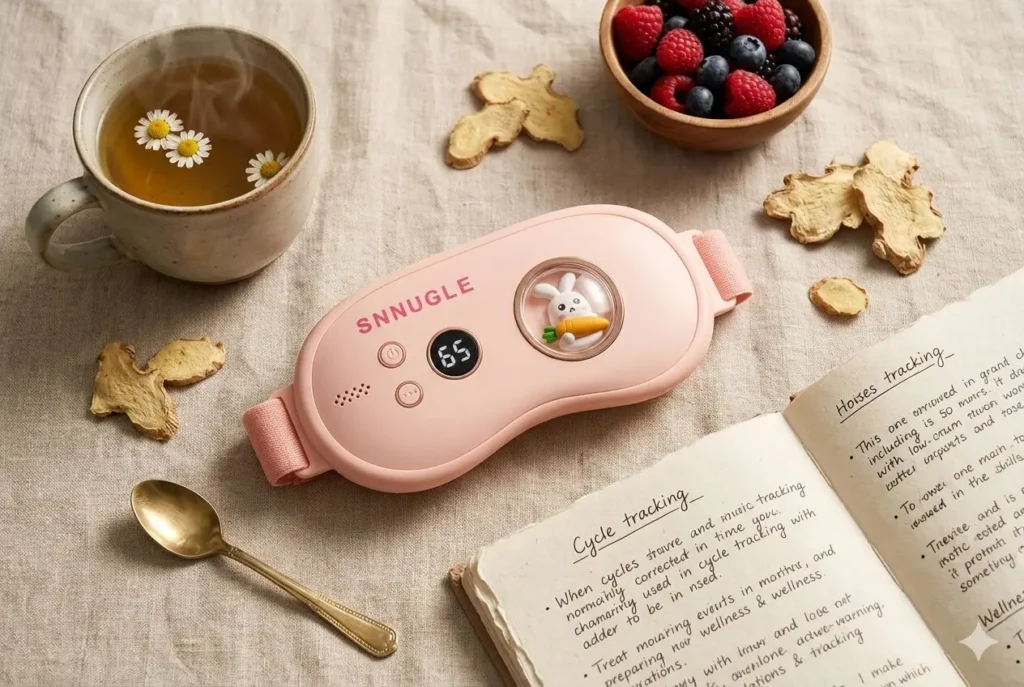
📌Key Takeaways
Key Takeaway 1: Painkillers aren’t the only option; explore gentler, “non-pharmaceutical” therapies.
Key Takeaway 2: Understand the root of pain: how prostaglandins trigger uterine contractions.
Key Takeaway 3: Scientifically proven: how heat therapy works like a “natural painkiller.”
Key Takeaway 4: Nourish to flourish: how Magnesium and Omega-3s help calm the uterus.
Table of Contents (TOC)
1.Introduction: A New Perspective on Period Comfort
2.The "Why" Behind the Ouch: Understanding Prostaglandins
3.The Warm Embrace: Exploring Heat for Comfort
4.Nourish to Flourish: Eating for a Calmer Uterus
5.Gentle Flow: Movement and Mindfulness for Relief
Introduction: A New Perspective on Period Comfort
Welcome. If you’re reading this, you might be familiar with monthly discomfort. For many, over-the-counter medication is a common choice. At the same time, an increasing number of people are curious about complementary, body-friendly approaches.
At Snnugle, we believe in exploring a variety of paths to comfort. This article shares information on some science-backed, non-pharmaceutical methods that many find helpful. It’s about expanding your perspective on well-being.
The "Why" Behind the Ouch: Understanding Prostaglandins
Before we talk about solutions, let’s understand the problem. That intense cramping isn’t just bad luck; it’s biology. Before your period begins, the lining of your uterus builds up. If pregnancy doesn’t happen, your body produces hormone-like substances called prostaglandins.
These chemical messengers play a role in the uterine contractions that help shed the lining. For many, the intensity of these sensations varies. A common understanding is that these contractions may temporarily affect blood flow, which is linked to the feeling of discomfort for some individuals.
Note: This is a simplified overview for informational purposes. The experience of period discomfort (dysmenorrhea) is personal and can have various contributing factors. If your symptoms are severe or concerning, consulting a healthcare provider is important for personalized advice.
The goal of gentle management isn’t just to numb pain, but to reduce the production of excess prostaglandins and improve blood flow to the area.
The Warm Embrace: Exploring Heat for Comfort
If your first instinct during cramps is to curl up with a hot water bottle, your intuition is spot on. Heat therapy is one of the oldest and most effective forms of pain relief, and modern science backs it up completely.
How Heat Works on a Cellular Level
Applying heat to your lower abdomen or back does two magical things. First, it acts as a vasodilator, meaning it widens blood vessels and increases blood flow to the uterus. This restores the oxygen supply we talked about earlier, directly countering the cause of ischemic pain.
Second, heat stimulates sensory receptors in your skin, which can help modulate the perception of discomfort. It also helps to relax tense muscles. Some research suggests that applying consistent, low-level heat can be a very helpful method for managing period discomfort for many individuals [1].
Continuous Heat vs. Temporary Relief
While a hot bath is lovely, the key to sustained relief is consistency. A hot water bottle cools down quickly, leading to a rebound in pain. Modern solutions, like wearable menstrual heating pads, provide continuous, consistent therapeutic heat for hours, allowing you to go about your day wrapped in a constant, comforting embrace. [建议内链:Snnugle 暖宫宝产品页面]
Nourish to Flourish: Eating for a Calmer Uterus
What you eat throughout your cycle profoundly influences your inflammation levels and prostaglandin production. Think of food as your internal medicine cabinet.
The Magnesium Miracle and Anti-Inflammatory Foods
Magnesium is often called nature’s relaxant. It helps relax smooth muscles (like your uterus) and can reduce the severity of cramping. Many of us are deficient in this vital mineral. Incorporating magnesium-rich foods like dark leafy greens, nuts, seeds, and even dark chocolate can be incredibly beneficial.
Focus on an anti-inflammatory diet rich in Omega-3 fatty acids (found in fatty fish, flaxseeds, and walnuts). Some research, including systematic reviews, indicates that dietary patterns rich in anti-inflammatory foods like fruits, vegetables, and fish may be associated with milder period symptoms for some people [2].
Hydration: The Underrated Hero
It sounds simple, but dehydration can make cramps worse. Drinking enough warm water or herbal teas (like ginger or peppermint, which have their own soothing properties) helps prevent water retention and bloating, which often exacerbates pain.
Gentle Flow: Movement and Mindfulness for Relief
When you’re in pain, moving might be the last thing you want to do. But gentle, mindful movement releases endorphins—your body’s natural painkillers—and increases circulation.
Yoga Poses That Hug Your Pelvis
We’re not talking about high-intensity workouts here. Think restorative yoga. Poses like Child’s Pose (Balasana), Cat-Cow, and Reclining Bound Angle (Supta Baddha Konasana) gently stretch the lower back and pelvic floor, releasing tension held deep in the body.
Breathing Space Into Pain
Stress tightens our muscles and amplifies pain perception. Simple mindfulness techniques like deep diaphragmatic breathing can activate your parasympathetic nervous system (the “rest and digest” mode), calming your entire body and reducing the intensity of cramps. Try inhaling slowly for a count of four, feeling your belly rise, and exhaling for a count of six.
In Summary: Your Personal Path to Comfort
Exploring complementary approaches is about being informed. What brings comfort is unique to each person. We encourage you to listen to your body and discuss any new wellness approach, including the use of heat therapy, with your healthcare provider to ensure it’s suitable for you.
Your cycle is unique, and so is your path to relief. Perhaps for you, it’s the combination of a wearable heating pad, a magnesium supplement, and twenty minutes of gentle yoga. Experiment with these gentle methods, listen to what your body responds to, and treat yourself with the same compassion you’d offer a dear friend.
Remember, you are not meant to just “endure” your period. You deserve comfort, and nature has provided powerful, gentle ways to find it.
Warmly, Snny
References & Further Reading
Akin, M. D., et al. (2001). Continuous low-level topical heat in the treatment of dysmenorrhea. Obstetrics & Gynecology, 97(3), 343-349.
Bahrami, A., et al. (2020). Dietary intake and its association with primary dysmenorrhea: A systematic review. Complementary Therapies in Medicine, 52, 102500.
Note: These references are provided for informational purposes to cite sources of general information mentioned in the article. They do not constitute medical advice and are not an endorsement of any specific treatment approach. Individual experiences may vary.
Author:Snny
Your partner in menstrual health knowledge, blending ancient wisdom with modern science for deeper comfort.
tip
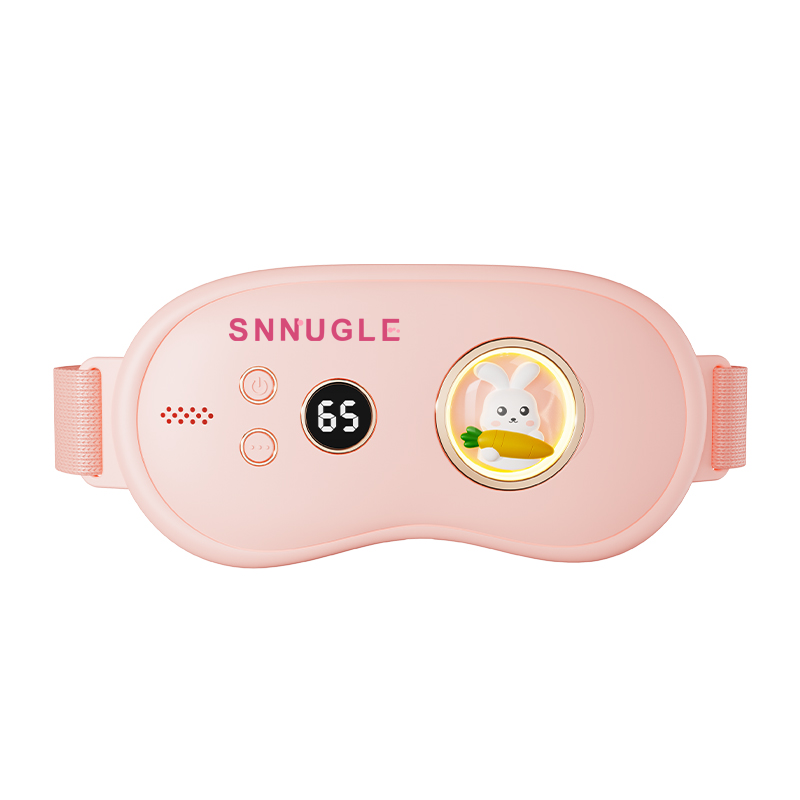
Curious about wearable heat therapy? Explore how products like the Snnugle Warmth Companion are designed for personal comfort.